
Viewing 61 - 66 out of 179
Article

Common Eye Conditions
Subconjunctival Hemorrhage
Similar to a bruise under the skin, a subconjunctival hemorrhage happens when a small blood vessel located between the sclera (white portion of an eye) and the conjunctiva (lining on the surface of an eye) breaks and covers the sclera with blood. Unlike broken blood vessels located under the skin which

Pediatric Vision
Wandering Eye
A wandering eye is a type of eye condition known as strabismus or tropia, and it may be caused by damage to the retina or muscles that control the eye, stroke or brain injury, or an uncorrected refractive error like farsightedness. With a wandering eye, one eye deviates or wanders in a different direction

Pediatric Vision
Crossed Eyes
Crossed eyes, also known as strabismus, refer to a condition in which both eyes do not look at the same place at the same time. Often times they both turn in, but may also turn out. What Causes Crossed Eyes? The six muscles attached to each eye, which control how it moves, receive signals from the brain.

Pediatric Vision
Autism
Symptoms and Problems Caused By Autism Autism is a neurological disorder in which the person has difficulty processing and reacting to information received from their senses. The individual also has trouble communicating and interacting socially. Signs of autism include: Lack of shared social interaction Postponement
How the Eyes Work
Technology and Vision
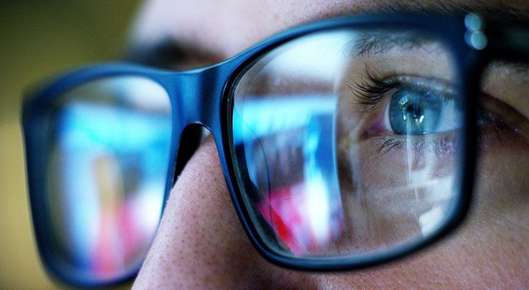
The primary sufferers of technology-related eyestrain used to be adults whose work involved computers. Now, however, people of all ages use computers, smartphones, tablets and gaming devices, which can take their toll on the eyes. As people’s reliance on technology grows, so does the incidence of eyestrain.

How the Eyes Work
Eye Anatomy 101
The eye has many parts that work together to create vision. The eyes themselves are only part of “seeing.” The brain is also involved. The eyes, though, begin the complex process of vision by gathering, focusing and passing on visual information to the brain. To help you learn how the eye works,
Location
Click the map to view the location nearest to you
Hours of Operation
Our regular schedule
Newsletter Signup
Testimonials
Reviews By Our Satisfied Clients